
Cast Iron Valves
Cast Iron Valves are valve mechanisms constructed from cast iron, a versatile alloy of iron, carbon, and silicon. The process of casting involves pouring molten iron into a mold, where it solidifies into the desired shape. The end product is known for its robust properties, making cast iron valves suitable for high-demand applications.
Composition and Types of Cast Iron
Cast Iron Valves come in various forms, including:
- Gray Cast Iron: This is the most common type used in valve manufacturing due to its excellent machinability and thermal conductivity. Its graphite content provides a reliable and innovative design that absorbs vibrations and reduces noise.
- Ductile Cast Iron: Known for its high tensile strength and ductility, ductile cast iron is frequently used in pressure applications where flexibility is essential.
- White Cast Iron: While not typically used for valves due to its brittleness, it serves specific applications where hardness and wear resistance are required.
Key Features of Cast Iron Valves
- Durability and Strength
Cast iron’s inherent strength makes it a reliable material for valve manufacturing. It can withstand high pressures, making it suitable for demanding industrial applications.
- Corrosion Resistance
While not as resistant to corrosion as stainless steel, cast iron valves can be treated or coated to enhance their resistance, especially in water and wastewater applications.
- Thermal Stability
Cast iron has excellent thermal stability, allowing it to perform well under varying temperature conditions. This feature is especially critical in systems exposed to extreme heat or cold.
- Cost-Effectiveness
Compared to other materials, cast iron is often more affordable, making it a popular choice for many industries without sacrificing reliability.
Common Types of Cast Iron Valves
Cast Iron Valves come in various designs, each serving specific purposes:
- Gate Valves: These are used to start or stop the flow of fluid. They operate by raising and lowering a gate within the valve.
- Globe Valves: Designed for throttling flow, globe valves feature a spherical shape that provides a larger flow area, making them effective in terms of controlling the flow rate.
- Check Valves: These one-way valves prevent backflow in pipes, ensuring that fluids flow in the right direction.
- Butterfly Valves: Ideal for regulating large volumes of fluid flow, butterfly valves use a rotating disc to control the passage.
- Ball Valves: With a spherical closure element, ball valves provide quick on/off flow control and are widely used across various applications.
Applications of Cast Iron Valves
Cast Iron Valves find extensive use across multiple sectors due to their durability and effectiveness:
- Waterworks: Cast iron valves are commonly used in municipal water supply and wastewater treatment facilities.
- Pharmaceutical Industry: Due to their reliable operation and resistance to contamination, cast iron valves are used in processes where hygiene is paramount.
- Oil and Gas: Cast iron valves are utilized in pipelines and refinery processes due to their strength and reliability under pressure.
- Heating and Cooling Systems: Their ability to withstand thermal stress makes them ideal for HVAC applications.
Benefits of Using Cast Iron Valves
- Long Lifespan: Cast iron valves typically have an extended operational life, reducing the need for frequent replacements.
- Low Maintenance: With the right coatings, cast iron valves require minimal maintenance, helping to reduce operational downtime.
- Versatile Applications: Their robustness allows for use in various environments, from residential systems to heavy industrial applications.
- Energy Efficiency: By providing reliable flow control, cast iron valves contribute to the overall efficiency of fluid systems.

Cast Iron Knife Gate Valve – Unidirectional – For Lever Operation
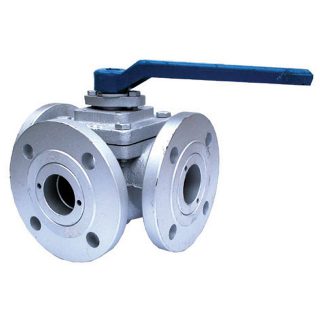
Cast Iron 3 Way Ball Valve – T Port
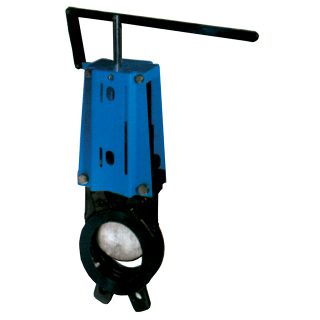
Cast Iron Knife Gate Valve – Unidirectional

Cast Iron Wafer Ball Valve

Cast Iron 3 Way Diverter Ball Valve
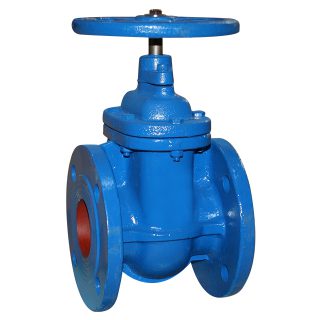
Cast Iron Gate Valve – Flanged PN16

Cast Iron Gate Valve – Flanged Table D
Valves R Us offers a comprehensive range of solutions to meet every requirement & specification.