
Float Valves & Ball Floats
Float Valves are mechanical devices designed to regulate the flow of liquid in response to the liquid level in an open or closed system. The fundamental principle behind a float valve is a floating buoyant object, usually called a float, which rises and falls with the liquid level.
When the liquid level reaches a predetermined height, the float triggers the valve mechanism to close, thereby stopping the flow of liquid. Conversely, when the liquid level falls, the float descends and opens the valve to allow more liquid to enter the system. This automatic regulation makes float valves indispensable for maintaining desired liquid levels in tanks, reservoirs, and other containment systems.
Types of Float Valves
- Mechanical Float Valves: These are the most common type and operate purely on mechanical principles. They rely on a pivot arm connected to a float that directly controls the valve.
- Pneumatic Float Valves: These utilize air pressure rather than mechanical leverage to control the flow. They are often used in systems where mechanical components may be less suitable.
- Electric Float Switches: While not strictly a valve, these devices use floats to control electric pumps or alarms, providing automated control without manual intervention.
What are Ball Floats?
Ball floats are floating devices, typically spherical in shape, that are used in conjunction with float valves or other types of float mechanisms. Often made of materials like plastic, stainless steel, or foam, ball floats are designed to remain buoyant and resist corrosion in various liquid environments.
The primary function of a ball float is to indicate the liquid level in a tank or reservoir. It may be connected to a float valve, where it not only indicates the level but also controls the flow of liquid through the valve. Much like float valves, ball floats operate on a simple principle: they rise and fall with the liquid level.
Components and Operation
Ball floats feature a simple yet effective design. Typically, they float on the surface of the liquid and are connected to a lever arm or directly attached to a valve. As the liquid level changes, the ball float moves accordingly, triggering the valve mechanism to either open or close the flow path.
Applications of Float Valves and Ball Floats
Float valves and ball floats are widely utilized across various industries and applications due to their reliability and efficiency. Here are some common areas where these devices play a pivotal role:
- Water Supply Systems: In residential and commercial water supply, float valves maintain the water level in storage tanks, preventing overruns and ensuring a consistent supply.
- Aquaculture and Aquariums: Float valves help maintain water levels in fish tanks and ponds, providing a stable environment for aquatic life.
- Irrigation Systems: In agricultural settings, float valves regulate water levels in irrigation ditches and reservoirs, optimizing water usage.
- Industrial Processes: Float valves and ball floats are used in various industrial applications to control liquid levels in tanks, boilers, and chemical processing units.
- Sewage Treatment: In wastewater management systems, float valves regulate the inflow and outflow of liquids, maintaining appropriate levels to ensure smooth operation.
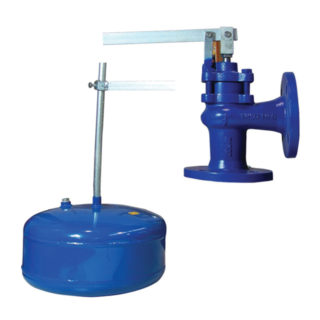
Cast Iron Float Valve – Flanged PN16 – Angle Pattern

Cast Iron Float Valve – Flanged PN16 – Straight Pattern
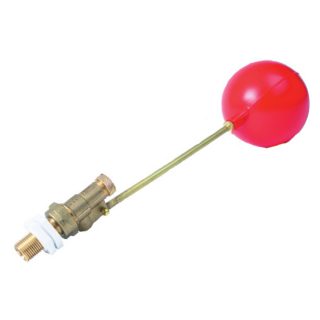
Brass Float Valve

Gunmetal Equilibrium Float Valve

Plastic Float

Copper Float

Stainless Steel Float Valve – PN10 Rated
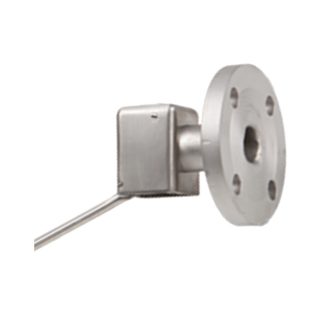
Stainless Steel Float Valve – Flanged PN16
Diverse Selection of Sizes
At Valves R Us, we understand that one size does not fit all when it comes to float valves. That’s why we offer a comprehensive range of sizes from 1/2 inch to 16 inches. This extensive selection allows you to choose the perfect float valve to suit your specific application, whether it’s for residential, agricultural, or heavy industrial use. Each size is designed with precision to provide optimal performance, ensuring the effective management of water levels and fluid flow in your systems.
Versatile Fittings
Our float valves come equipped with various fitting options, including BSPP (British Standard Pipe Parallel) and PN16 (Pressure Nominal 16 bar). The BSPP fittings ensure a reliable seal, making them suitable for a wide range of piping applications. PN16 fittings enhance the valves’ capability to withstand high-pressure systems, ensuring durability and functionality even under demanding conditions. This versatility in fittings further makes our float valves adaptable to many existing systems, simplifying installation and integration.
Quality Material Choices
Choosing the right material for float valves is crucial to their longevity and performance. At Valves R Us, we offer float valves made from four high-quality materials: brass, cast iron, gunmetal, and stainless steel.
- Brass: Known for its excellent corrosion resistance and durability, brass float valves are perfect for domestic and light industrial applications. Their affordability and aesthetic appeal also make them a popular choice for various settings.
- Cast Iron: Cast iron valves are robust and suitable for heavy-duty applications. With their exceptional strength, they can handle high-pressure environments, providing you with a reliable solution for industrial processes.
- Gunmetal: Gunmetal valves combine the advantages of brass and cast iron, offering resistance to corrosion and wear. Suitable for water supply and steam applications, gunmetal float valves are an excellent choice for plumbing and mechanical systems.
- Stainless Steel: For applications that require maximum resistance to corrosion and extreme conditions, stainless steel float valves are ideal. Their durability and hygienic properties make them particularly suitable for food and pharmaceutical industries.