
Relief Valves
A Relief Valve is a mechanical device that automatically releases excess pressure from a system or vessel. The primary function of a relief valve is to protect equipment by venting fluids—typically liquids or gases—when pressure exceeds predetermined levels. This ensures that the internal pressure remains within safe operating limits.
Types of Relief Valves
- Pressure Relief Valves (PRV): These valves are commonly used in high-pressure systems. When system pressure exceeds the set limit, the valve opens to allow fluid to escape, thereby reducing pressure.
- Safety Relief Valves (SRV): Similar to pressure relief valves, safety relief valves are engineered to handle extreme conditions. They are typically used in platforms where safety is paramount, such as in boiler applications or pressurized vessels.
- Vacuum Relief Valves: These valves prevent a vacuum condition from forming within a system, which can cause structural damage. They open to allow air into the system when the pressure drops below a critical threshold.
- Pilot-Operated Relief Valves: These valves utilize a pilot mechanism to control the main valve. They are often used in high-pressure applications and offer excellent pressure control with minimal pressure drop during operation.
- Spring-Loaded Relief Valves: The most common type, these valves use a spring mechanism to maintain a specific pressure setting. When pressure rises above the set level, the spring compresses, allowing the valve to open and release the excess pressure.
How Relief Valves Work
Relief Valves operate based on a simple principle: balance of forces. Each valve has a specified set-point pressure at which it should open. The valve consists of a spring-loaded mechanism and a seat. As pressure in the system rises, the force exerted by the fluid on the valve exceeds the force exerted by the spring, causing the valve to open. Once the excess pressure is relieved and the internal pressure falls below the set-point, the spring force closes the valve, resuming normal operation.
Applications of Relief Valves
Relief Valves are found in numerous industries, including:
- Oil and Gas: In oil refineries and gas processing plants, relief valves are essential for preventing overpressure situations that can arise from vaporization or equipment malfunction.
- Chemical Manufacturing: Chemical processes often generate high pressures, making relief valves crucial for safe operation in reactors and storage tanks.
- Power Generation: In power plants, relief valves maintain safe pressure levels within boilers and turbines, preventing explosions or mechanical failure.
- HVAC Systems: In heating, ventilation, and air conditioning systems, relief valves protect equipment by relieving excess pressure and ensuring optimal performance.
- Water Systems: Used in water distribution systems and plumbing, relief valves help manage pressure levels, preventing burst pipes and system failures.
Importance of Relief Valves
The importance of Relief Valves cannot be overstated. They are essential safety devices that help prevent hazardous scenarios, including explosions, equipment damage, and injuries. Regular maintenance and testing of relief valves are critical to ensure their reliability. Failure to operate correctly can compromise the safety of entire systems and lead to costly downtimes or accidents.

Brass Spring Safety Relief Valve
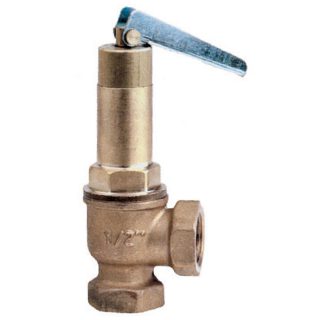
Brass Bronze Spring Safety Relief Valve

Bronze High Lift Relief Valve
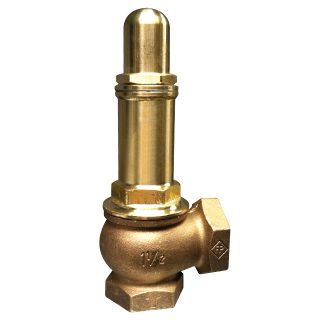
Brass Bronze Spring Safety Relief Valve – Metal Seat – Cap Top
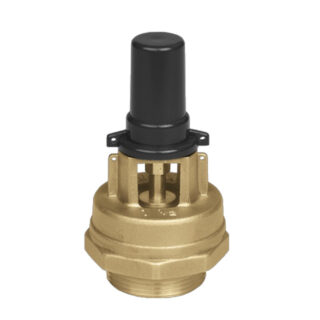
Vacuum Relief Valve

Bronze Safety Relief Valve

Stainless Steel Proportional Lift Relief Valve
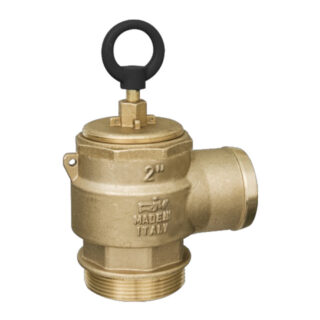
Vacuum Tanker Pressure Relief Valve – Hose Connection
Valves R Us offers a comprehensive range of solutions to meet every requirement & specification.